Connectivity as critical infrastructure: What the KZN floods taught us about climate resilience




This article has been supplied and will be available for a limited time only on this website.
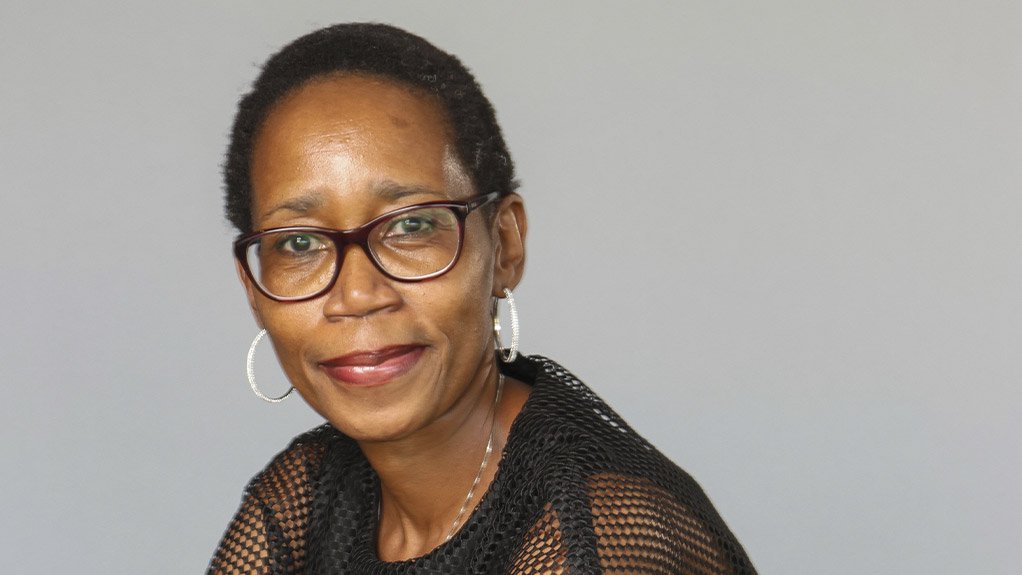
By: Takalani Netshitenzhe - External Affairs Director for Vodacom South Africa
As we head towards what climate scientists are warning will be a super El Niño in 2027, I've been considering our planning and response to climate shock events.
When we think about climate disasters, we typically picture collapsed bridges, washed-away roads, and destroyed homes. Our planning accordingly focuses on reinforcing civil infrastructure, strengthening building codes, and improving drainage systems. These investments matter profoundly. Yet as we rebuild after ever more violent climate shocks, we're learning a critical lesson that traditional infrastructure planning has overlooked. Connectivity is not a luxury service but critical national infrastructure as essential to resilience as the roads and bridges we see.
The KwaZulu-Natal floods of April 2022 crystallised this truth. More than 400 lives were lost. More than 40 000 people were displaced. Critical infrastructure, roads, bridges, and power lines were obliterated. But amidst this devastation, another form of infrastructure proved equally vital: digital connectivity. When physical systems failed, it kept communities connected to each other, to emergency services, and the lifeline services they needed to survive and recover.
While the KwaZulu-Natal floods of April 2022 remain the deadliest flood disaster in modern South African history, in June last year, torrential rain in parts of the Eastern Cape claimed just over 100 lives, causing widespread destruction, including a school bus being sadly swept away. In 2024 the Western Cape also experienced severe winter storms and flooding, particularly in Cape Town, damaging thousands of homes, roads and public infrastructure. As recently as May this year, flooding, thunderstorms, damaging winds and snowfall affected large parts of the Northern Cape, North West, Free State, Western Cape, Eastern Cape and Mpumalanga leading to the National Disaster Management Centre officially classifying the severe weather event as a National Disaster following days of relentless and severe rainfall.
Before the Crisis: Planning for What We Cannot Predict
Climate resilience begins in preparation years before disaster strikes. For the 2027 financial year, Vodacom South Africa plans to invest approximately R12 billion to expand and solidify network infrastructure, enhancing network resilience, coverage, and customer experience. We've deployed thousands of new 4G and 5G sites and implemented energy resilience measures, including battery backups, solar integration, and strategic fuel reserves.
This business-as-usual investment creates the foundation for crisis response.
But when the KwaZulu-Natal floods struck, we realised we needed to do more. Recognising that we are not only a service provider in day-to-day life, but a critical partner in communities' hours of darkest need, the scale of the disaster required additional crisis-specific investment beyond routine network enhancement.
During the Crisis: When Connectivity Becomes a Lifeline
In April 2022, three major network facilities were damaged immediately, leaving the province dependent on just one. Around 60% of our fibre infrastructure was lost. Yet connectivity became the bridge that held communities together.
Voice and data traffic surged as emergency services coordinated rescues, community leaders shared critical information, and families confirmed loved ones were safe. Where terrestrial networks failed, we deployed satellite connectivity through satellite phones to emergency responders and satellite solutions hoisted onto flooded buildings to restore international communications. Every connection maintained potentially saved a life.
After the Crisis: Digital Solutions Enable Recovery
With 24 schools destroyed, roads impassable, public services offline, and banking infrastructure down, recovery depended on maintaining essential services while physical systems remained broken.
Our eLearning platform saw surging usage as educators taught remotely, preventing learning loss. Digital lending through VodaLend enabled households and small businesses to access microloans without visiting branches. We worked with the government to issue emergency relief via eVouchers, digital vouchers redeemable at local shops for essentials. The result was faster, more transparent, and importantly more dignified access to support.
Building Long-Term Resilience
Remarkably, approximately 300 000 new customers joined our network during the crisis, with most remaining well after it had passed. They had experienced connectivity as a survival and recovery tool. They understood, viscerally, that this service is more than commercial convenience.
Investment in climate resilience and digital adoption creates shared value. The tools we deployed to save lives also built trust and expanded our community's relationship with digital services and financial inclusion.
As we’re seeing in the Northern Hemisphere right now, climate-related disasters are becoming more frequent and severe. The KwaZulu-Natal floods were not an anomaly, but a preview of a new climate reality.
We must recognise connectivity not as a secondary concern in national climate resilience planning, but as foundational. Public-private partnerships are essential. Governments, regulators, utilities, and telecoms must align investment and planning. We need policy frameworks that support resilient infrastructure investment and enable digital solutions at scale. When the next crisis strikes, connectivity will determine whether communities can respond, recover, and rebuild.
As a telecommunications provider, our role extends far beyond traditional corporate social investment. We're contributing to the infrastructure of national resilience itself.
The Reality Before Us
The KwaZulu-Natal floods were a wake-up call. With a super El Niño ahead, we cannot afford a slow transition. In our increasingly climate-volatile world. Physical and digital infrastructure are no longer separate concerns, but interdependent systems that must be planned, invested in, and protected as one if communities are to survive and recover.
The question is not whether we can afford to invest in connectivity as critical infrastructure, but whether we can afford not to. Every year we delay embedding digital resilience into national planning increases the cost of the next inevitable disaster. By recognising connectivity as critical infrastructure now, we're not diverting resources from traditional planning, but completing it.
The tools exist. The evidence is clear. What we need now is the collective will to act.
Article Enquiry
Email Article
Save Article
Feedback
To advertise email advertising@creamermedia.co.za or click here

Projects
Latest Multimedia

Latest News

Showroom
Your global lifecycle technology & service partner for materials & minerals processing equipment for coal, iron ore, copper, manganese & other...
VISIT SHOWROOM
Mitsubishi Chemical Advanced Materials South Africa (Pty) Ltd is a leading manufacturer of high-performance engineering plastics for the mining...
VISIT SHOWROOM


Announcements
What's On
Subscribe to improve your user experience...
Option 1 (equivalent of R125 a month):
Receive a weekly copy of Creamer Media's Engineering News & Mining Weekly magazine
(print copy for those in South Africa and e-magazine for those outside of South Africa)
Receive daily email newsletters
Access to full search results
Access archive of magazine back copies
Access to Projects in Progress
Access to ONE Research Report of your choice in PDF format
Option 2 (equivalent of R375 a month):
All benefits from Option 1
PLUS
Access to Creamer Media's Research Channel Africa for ALL Research Reports, in PDF format, on various industrial and mining sectors
including Electricity; Water; Energy Transition; Hydrogen; Roads, Rail and Ports; Coal; Gold; Platinum; Battery Metals; etc.
Already a subscriber?
Forgotten your password?
Receive weekly copy of Creamer Media's Engineering News & Mining Weekly magazine (print copy for those in South Africa and e-magazine for those outside of South Africa)
➕
Recieve daily email newsletters
➕
Access to full search results
➕
Access archive of magazine back copies
➕
Access to Projects in Progress
➕
Access to ONE Research Report of your choice in PDF format
RESEARCH CHANNEL AFRICA
R4500 (equivalent of R375 a month)
SUBSCRIBEAll benefits from Option 1
➕
Access to Creamer Media's Research Channel Africa for ALL Research Reports on various industrial and mining sectors, in PDF format, including on:
Electricity
➕
Water
➕
Energy Transition
➕
Hydrogen
➕
Roads, Rail and Ports
➕
Coal
➕
Gold
➕
Platinum
➕
Battery Metals
➕
etc.
Receive all benefits from Option 1 or Option 2 delivered to numerous people at your company
➕
Multiple User names and Passwords for simultaneous log-ins
➕
Intranet integration access to all in your organisation